
Common Braking Problems and Warning Signs
Services you can trust
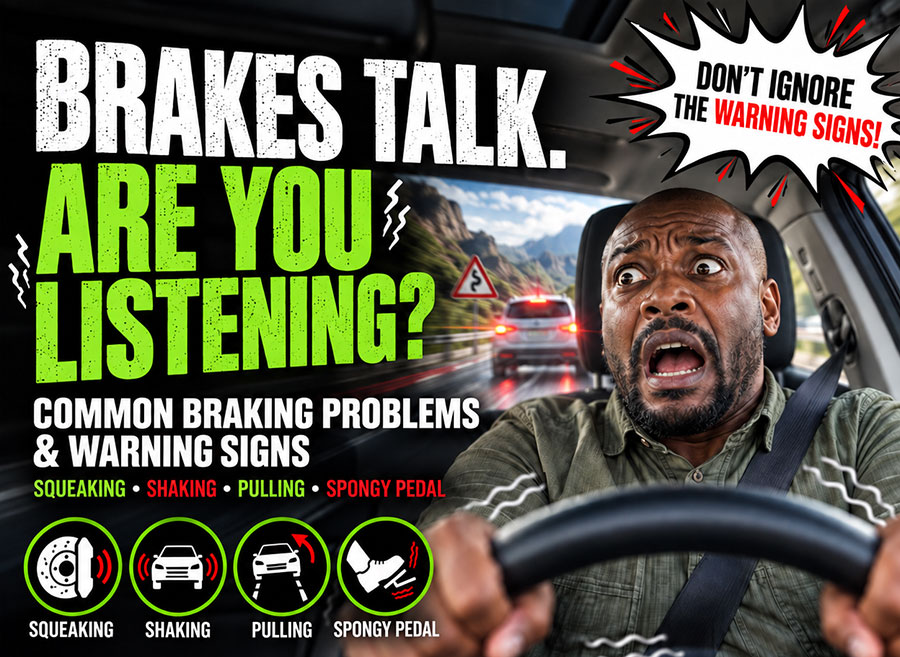
Brakes squeaking, a steering wheel that shakes when braking or a brake pedal that suddenly feels different can all indicate that your vehicle needs attention.

Brakes squeaking, a steering wheel that shakes when braking or a brake pedal that suddenly feels different can all indicate that your vehicle needs attention.
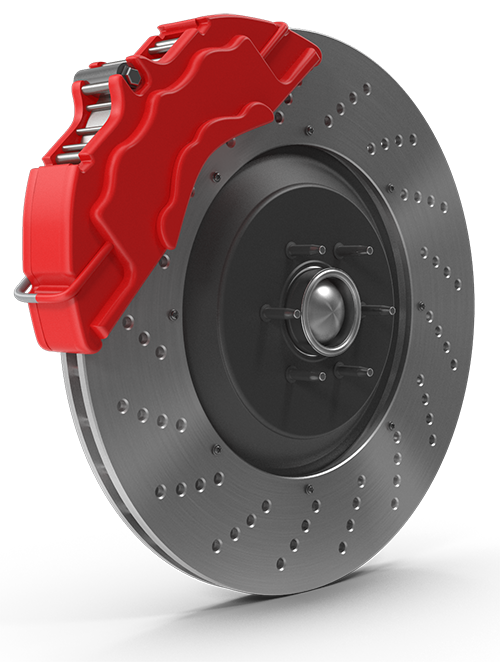
Braking Problems
Brakes squeaking, a steering wheel that shakes when braking or a brake pedal that suddenly feels different can all indicate that your vehicle needs attention.
B&R Auto Joburg provides professional brake inspections and repairs in Northriding, Randburg. We inspect the complete braking system to determine what is causing the problem before recommending repairs.
You do not need to know whether your car requires new brake pads, brake-disc skimming, brake-fluid replacement or a calliper repair. Simply tell us what you hear or feel when braking, and our technicians will investigate the cause.
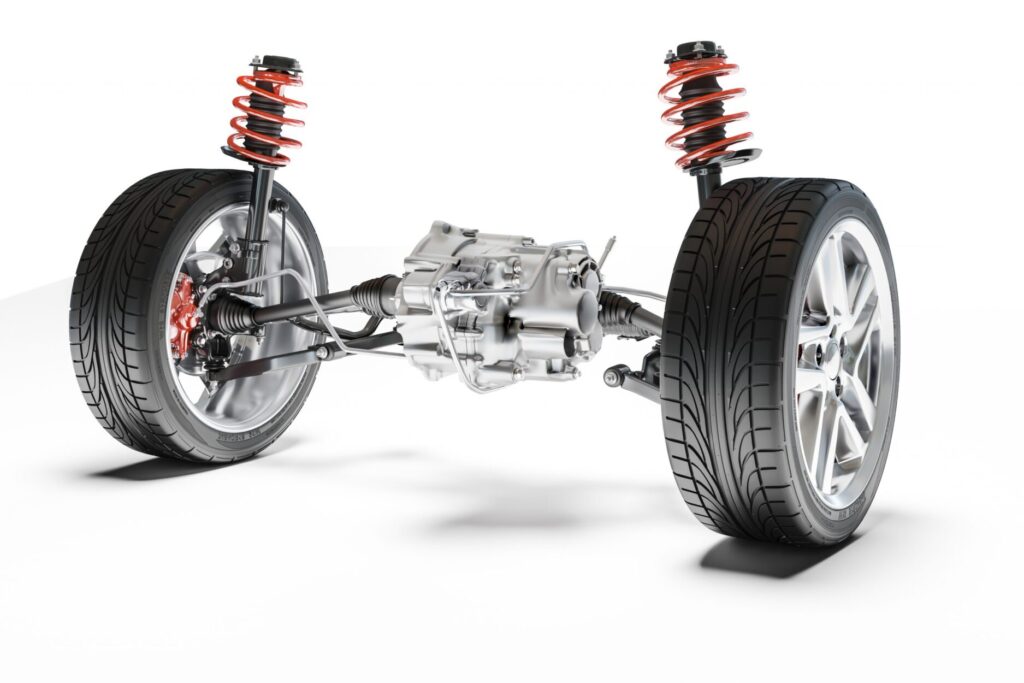
Signs Your Brakes May Need Attention
Arrange a brake inspection if you notice:
- Squeaking, squealing or grinding when braking
- A car or steering wheel that shakes when braking
- The vehicle pulling to one side when braking
- A brake pedal that feels soft or spongy
- The brake pedal going too close to the floor
- A brake pedal that is unusually hard to press
- The vehicle taking longer than usual to stop
- Brakes that feel as though they are sticking
- A burning smell coming from one of the wheels
- The brake warning light remaining on
- Brake fluid underneath the vehicle
- A change in how the vehicle responds when braking
Some braking symptoms develop gradually, while others appear suddenly. Even if the car still stops, a noticeable change in braking performance should not be ignored.
Get your car serviced at one of the e-CAR workshops across South Africa. We can fully service your car or an entire fleet of vehicles, no matter the make or model. Guarantee peace of mind on the road and avoid unexpected costs down the line.
Brake Symptoms
Brakes Squeaking or Squealing
A high-pitched squeaking or squealing noise is one of the most common signs of a possible brake problem.
The noise may occur:
- When braking gently
- During the first few stops of the day
- After driving in rain or washing the car
- When the brakes become hot
- Continuously while the vehicle is moving
- Only when reversing
- As the vehicle comes to a complete stop
Possible causes include worn brake pads, brake dust, moisture, glazed friction surfaces, damaged brake components or a wear indicator contacting the brake disc.
Occasional brake noise does not always mean that the pads need to be replaced. However, persistent or worsening squeaking should be inspected to establish the cause.
B&R Auto Joburg can check the condition and remaining thickness of the pads and inspect the discs, callipers and related brake components.
Learn more about our brake-pad replacement services.
Grinding Noise When Braking
A grinding or scraping noise can indicate more serious wear, particularly when the brake-pad friction material has worn away and metal components are contacting the brake disc.
Other possible causes include:
- A stone or foreign object near the brake disc
- Severely worn brake pads or shoes
- Damaged brake discs
- A sticking brake calliper
- Loose or damaged brake hardware
- Corrosion after the car has stood for an extended period
Continuing to drive with metal-on-metal contact can damage the brake discs and reduce braking performance.
If your brakes are grinding, arrange an inspection as soon as possible. If braking ability has deteriorated significantly, stop driving and have the vehicle transported for inspection.
Learn more about brake-pad replacement and brake-disc repairs.
Car Shakes or Vibrates When Braking
A vibration while braking may be felt through:
- The steering wheel
- The brake pedal
- The seat or floor
- The front of the vehicle
- The entire vehicle at higher speeds
A shaking steering wheel is often more noticeable when slowing down from higher speeds. Possible causes include uneven brake-disc thickness, excessive disc runout, overheating, worn brake components or movement in the steering and suspension system.
A pulsing brake pedal can also occur when the ABS operates during hard braking or on a slippery surface. However, repeated vibration during normal braking should be inspected.
Depending on their condition and measurements, the brake discs may require skimming or replacement. The condition of the pads and related suspension components should also be checked before any repair is recommended.
Learn more about brake-disc skimming and ABS-system repairs.
Car Pulls to One Side When Braking
If your vehicle changes direction when you apply the brakes, there may be an imbalance between the braking force on the left and right sides.
Possible causes include:
- A sticking brake calliper
- Uneven brake-pad wear
- Contaminated brake pads or discs
- A restricted brake hose
- Damaged brake components
- Uneven tyre pressure
- Worn steering or suspension components
- Wheel-alignment problems
A vehicle that pulls sharply under braking can be difficult to control, especially during an emergency stop or when travelling at higher speeds.
Because tyres, wheel alignment and suspension faults can produce similar symptoms, the complete front braking and suspension systems may need to be inspected.
Book a brake-system inspection so the cause can be identified before parts are replaced.
Brake Pedal Feels Soft or Spongy
A healthy brake pedal should provide a firm and predictable response. If the pedal feels soft, springy or spongy, there may be a problem in the hydraulic braking system.
Possible causes include:
- Air in the brake lines
- Old or contaminated brake fluid
- A brake-fluid leak
- A damaged brake hose
- Problems with the master cylinder
- Incorrect brake adjustment
- Overheated brake fluid
A spongy pedal should not be treated as a normal sign of an older vehicle. Hydraulic faults can affect how quickly and consistently the car stops.
Read our complete guide to a spongy brake pedal, or book a brake-fluid and hydraulic-system inspection.
Brake Pedal Goes to the Floor
A brake pedal that travels close to the floor or suddenly loses resistance can indicate a serious braking-system problem.
Possible causes include:
- A significant brake-fluid leak
- Air in the hydraulic system
- A failing master cylinder
- A damaged brake hose or pipe
- Severely worn or incorrectly adjusted brake components
- A fault elsewhere in the hydraulic braking system
This symptom requires urgent attention. If the pedal suddenly goes to the floor or the vehicle does not stop normally, do not continue driving. Stop somewhere safe and arrange for the vehicle to be transported to a workshop.
B&R Auto Joburg can inspect the hydraulic system and determine where pressure is being lost.
Brake Pedal Is Hard to Press
An unusually hard brake pedal can make it difficult to produce enough braking force.
Possible causes include:
- A brake-booster problem
- Loss of vacuum assistance
- A damaged or disconnected vacuum hose
- A faulty non-return valve
- A vacuum-pump problem
- A restriction or fault in the braking system
The pedal may feel normal when the engine is switched off but should become easier to press once the engine starts and brake assistance becomes available.
If the pedal remains hard or significantly more pressure is required to stop the vehicle, arrange an inspection promptly.
Brakes Feel Like They Are Sticking
Brakes that do not release properly can cause the vehicle to feel sluggish or as though something is holding it back.
Signs of a sticking brake may include:
- The car pulling while driving
- One wheel becoming hotter than the others
- A burning smell near a wheel
- Increased fuel consumption
- The vehicle struggling to roll freely
- Brake noise even when the pedal is not being pressed
- Excessive brake dust on one wheel
- Smoke coming from the wheel area
- The parking brake failing to release completely
Possible causes include a sticking calliper, seized calliper slides, a restricted brake hose, damaged brake hardware or a parking-brake problem.
Driving with a sticking brake can cause severe heat buildup and damage the pads, discs, callipers, wheel bearings and nearby components.
If a wheel is smoking or extremely hot, stop safely and do not touch the wheel or brake components. Arrange for the vehicle to be transported for inspection.
Learn more about our brake-system repairs.
Brake Warning Light Stays On
The brake warning light may illuminate because:
- The parking brake is engaged
- The brake-fluid level is low
- Brake pads are worn on vehicles with pad sensors
- There is a hydraulic-system problem
- The ABS or electronic braking system has detected a fault
An ABS warning light does not necessarily mean that the standard brakes have stopped working, but it can mean that the anti-lock function has been disabled.
A red brake warning light accompanied by poor braking performance, fluid loss or a pedal that feels abnormal should be treated as urgent.
B&R Auto Joburg can perform a visual inspection, test the braking system and use diagnostic equipment when an electronic braking fault is suspected.
Learn more about our ABS diagnostics and repairs.
What Does a Brake Inspection Include?
The required checks depend on the vehicle and the symptoms reported. A brake inspection may include checking:
- Front and rear brake-pad or brake-shoe condition
- Brake-disc or drum condition
- Disc thickness and runout
- Brake-fluid level and condition
- Brake hoses and pipes
- Callipers and calliper slides
- Wheel cylinders
- Master-cylinder operation
- Brake-booster operation
- Parking-brake operation
- ABS warning lights and stored fault codes
- Related steering, suspension and tyre problems
The purpose of the inspection is to identify the cause of the symptom rather than replacing parts based on guesswork.
Once the problem has been identified, we can explain what needs attention and provide a quotation for the recommended repairs.
When Should You Stop Driving?
Stop driving and arrange assistance if:
- The brake pedal goes to the floor
- Braking ability suddenly becomes much worse
- The vehicle pulls severely when braking
- Brake fluid is visibly leaking
- You hear severe metal-on-metal grinding
- A wheel is smoking or extremely hot
- The car does not stop in a predictable manner
- A red brake warning light appears together with reduced braking performance
If you are uncertain whether the vehicle is safe to drive, it is better to arrange for it to be transported to the workshop.
Brakes squeaking, a steering wheel that shakes when braking or a brake pedal that suddenly feels different can all indicate that your vehicle needs attention.
Book a Brake Inspection in Northriding
Do not ignore a change in how your brakes sound or feel. Early inspection can help identify worn or damaged components before braking performance deteriorates further.
B&R Auto Joburg provides professional brake inspections and repairs for cars, SUVs and bakkies in Northriding, Randburg.
Tell us what you hear or feel when braking, and our technicians will inspect the vehicle to determine the cause.
Approvals & accreditations
Trust
B & R Auto Joburg | e-CAR is accredited with RMI, MIWA approvals, and Right 2 Repair Supporter in SA for top-quality vehicle servicing and workmanship that meets industry standards.